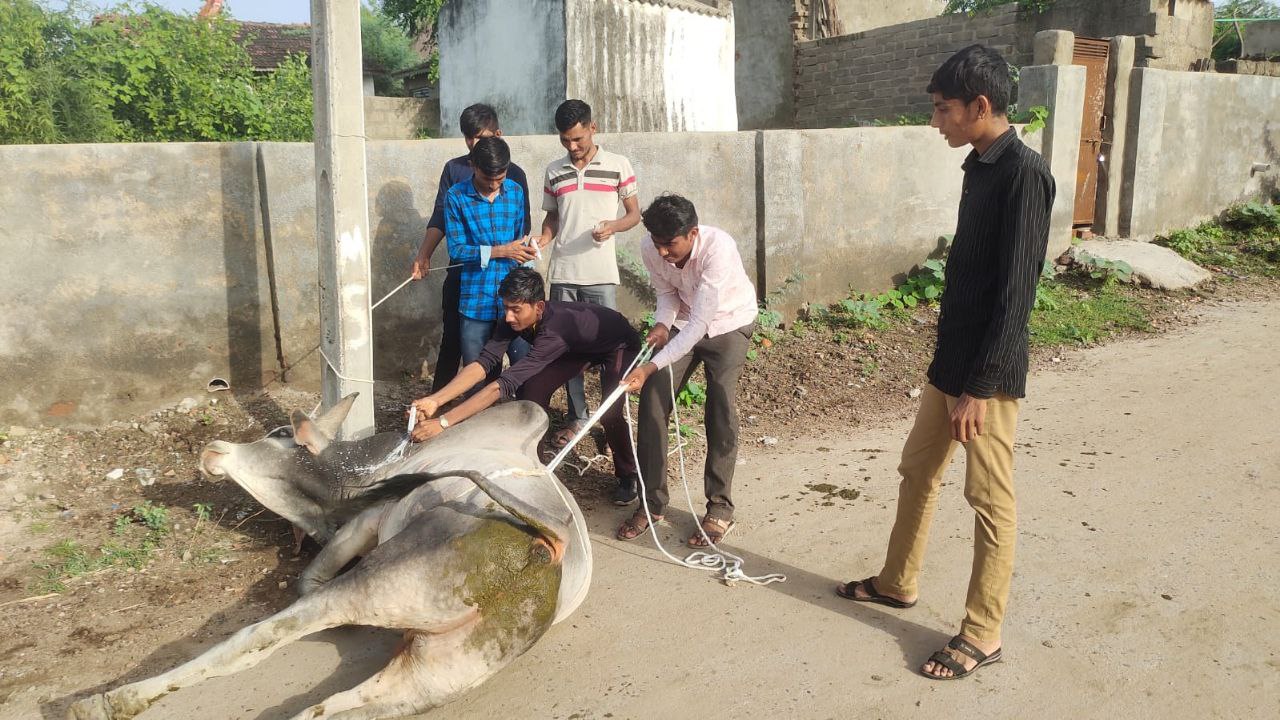
Animal welfare is not just about ethics—it's about smart farming. Healthy, well-cared-for animals are more productive, reproduce better, and live longer. At Ekta Dairy Farming, we believe that animal welfare and farm profitability go hand in hand.
પશુ કલ્યાણનું મહત્વ
પશુ કલ્યાણ એ માત્ર નૈતિકતાનો વિષય નથી - તે સ્માર્ટ ખેતીનો આધાર છે. સ્વસ્થ અને સારી રીતે સંભાળવામાં આવેલા પ્રાણીઓ વધુ ઉત્પાદક છે, વધુ સારી રીતે પ્રજનન કરે છે અને લાંબુ જીવે છે.
The Five Freedoms of Animal Welfare
These internationally recognized principles should guide every farmer:
1. Freedom from Hunger and Thirst
- Provide fresh, clean water at all times
- Feed balanced diets appropriate for the animal's needs
- Ensure feeding troughs are clean and accessible
- Monitor body condition regularly
2. Freedom from Discomfort
- Provide adequate shelter from sun, rain, and cold
- Ensure proper ventilation in housing
- Maintain clean, dry bedding
- Provide sufficient space for each animal
3. Freedom from Pain, Injury, and Disease
- Regular health checkups
- Timely vaccination schedules
- Quick treatment of injuries and illnesses
- Proper hoof care and grooming
4. Freedom to Express Normal Behavior
- Allow animals to socialize with their own kind
- Provide adequate space for movement
- Allow natural behaviors like grazing
- Avoid keeping animals in isolation
5. Freedom from Fear and Distress
- Handle animals gently and calmly
- Minimize transportation stress
- Protect from predators
- Maintain consistent routines
Proper Housing for Cattle
Space Requirements
- Adult cattle: 40-50 square feet per animal (covered area)
- Calves: 20-25 square feet per animal
- Open exercise area: 80-100 square feet per animal
Housing Design Tips
- Orient shed east-west to minimize direct sun exposure
- Ensure roof height of at least 10-12 feet for ventilation
- Provide proper drainage with 2-3% floor slope
- Use non-slip flooring to prevent injuries
- Install fans for summer cooling
Disease Prevention Program
Vaccination Schedule
| Disease | Vaccine | Schedule |
|---|---|---|
| Foot and Mouth Disease | FMD Vaccine | Every 6 months |
| Hemorrhagic Septicemia | HS Vaccine | Annually (before monsoon) |
| Black Quarter | BQ Vaccine | Annually |
| Brucellosis | Brucella Vaccine | Female calves (4-8 months) |
Deworming Schedule
- Calves: Every 3 months until 1 year
- Adults: Every 6 months
- Pregnant cows: 1 month before and after calving
Daily Health Monitoring
Check these signs daily:
- Appetite: Is the animal eating normally?
- Activity: Is the animal alert and active?
- Eyes and Nose: Clear, no discharge?
- Dung: Normal consistency and color?
- Milk: Any changes in quantity or quality?
- Gait: Is the animal walking normally?
Emergency Care Guidelines
Signs Requiring Immediate Veterinary Attention
- High fever (above 104°F / 40°C)
- Inability to stand
- Severe diarrhea or bloody stool
- Difficulty breathing
- Not eating for more than 24 hours
- Difficult calving lasting more than 2 hours
First Aid Kit Essentials
- Antiseptic solution (Povidone-iodine)
- Cotton and bandages
- Thermometer
- Wound spray
- Bloat oil
- Calcium supplement (for emergencies)
Ekta Dairy Farming's Support
At Ekta Dairy Farming, we help families who cannot afford veterinary care for their sick animals. Our services include:
- Free veterinary consultations for underprivileged families
- Emergency medicine support
- Animal welfare education programs
- Providing livestock to families who lost their only animals
Conclusion
Good animal welfare practices are the foundation of successful and sustainable dairy farming. By following these guidelines, you can ensure your animals live healthy, productive lives while maximizing your farm's profitability.
If you need assistance with animal welfare or veterinary care, reach out to Ekta Dairy Farming. Together, we can create a better future for our livestock and our communities.
Share this article